
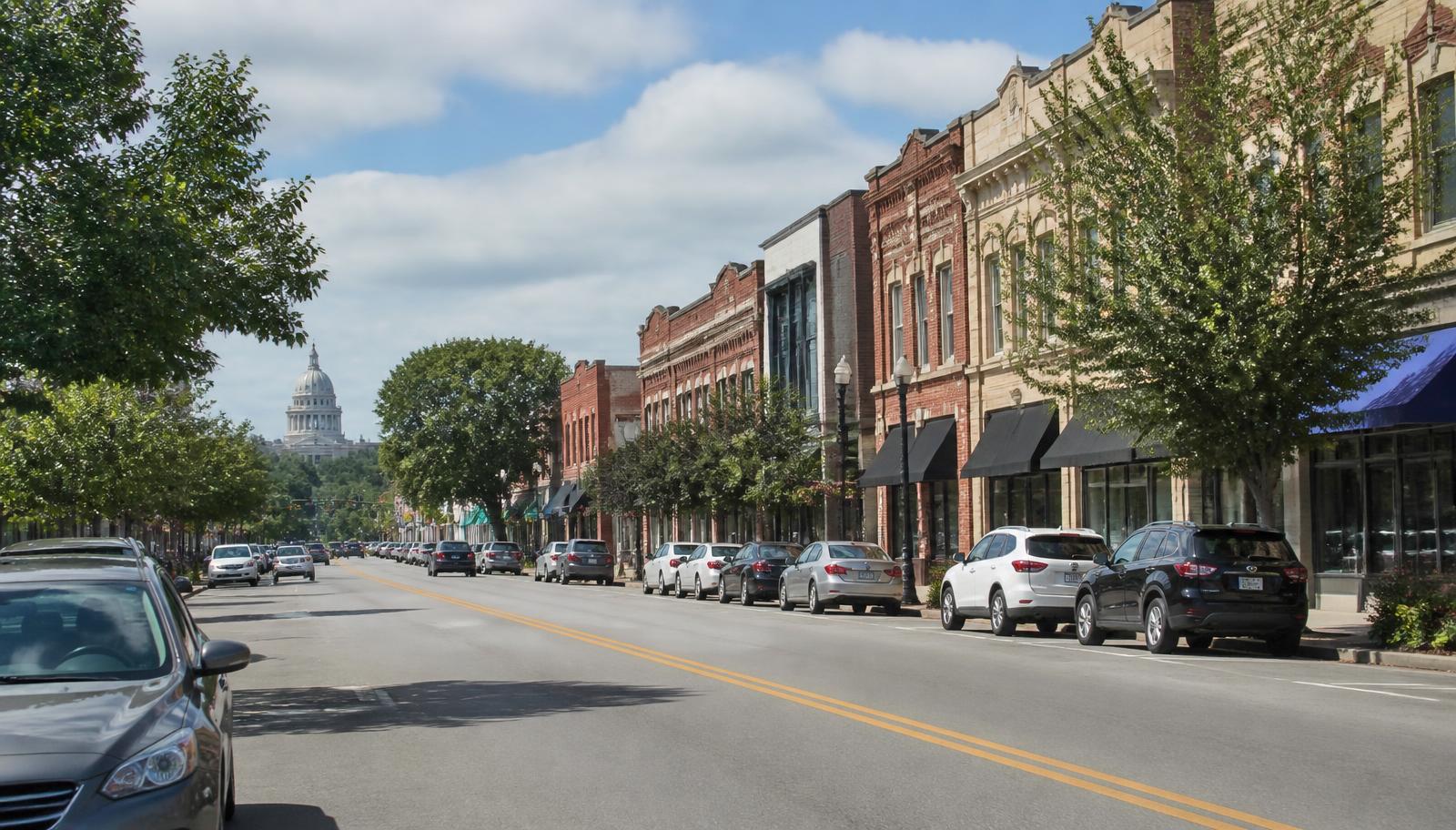
Madison, Wisconsin
Selling a Business, Neighborhood by Neighborhood
Madison is not one retail market. A store near campus, a store on the east side and a store out past the Beltline are three different businesses that happen to share a city name.
Why It Matters
The Same Revenue Means Different Things in Different Parts of Town
Owners often compare notes with someone across the city and conclude their store is worth more, or less, than it is. The comparison rarely holds. Rent, staffing, hours, shrink, product mix and the shape of the week all shift between neighborhoods, and those are exactly the lines that decide what is left at the bottom.
Below is how we read each part of the city. It is not a valuation — it is what we ask about before we look at a single figure.
Downtown and Campus
The Academic Calendar Is the Business
Stores in the isthmus and around the university live on a nine-month rhythm. August to May can be extremely strong; June and July are a different business entirely. Late trading hours are often where the margin is, which makes staffing cost and security real parts of the valuation rather than footnotes.
If this is your store, bring three full years by month. The pattern is the proof, and a buyer who sees it in the records stops treating the quiet stretch as decline.
East Side
Established Neighborhoods, Loyal Trade
The east side supports a lot of independent retail with long-standing local customers. Trade is steadier across the year than near campus, weekends matter more, and a store that has held its position for a decade usually has a defensible one.
Older buildings are common here, so condition items — roof, coolers, heating, paving — come up more often than in newer parts of the city. They affect price by roughly what they cost to put right, which is usually less than owners fear.
Near West and West Side
Higher Spend, Higher Cost Base
Near west and west side trade areas typically show higher spend per visit, particularly in wine and spirits and in prepared food. They also carry higher occupancy costs, so a strong topline does not always translate into a strong bottom line.
When we value a store here we look hard at the gap between gross margin and rent, because that gap is where the deal is either made or lost.
South Madison
Value-Led Trade and Real Community Loyalty
South Madison retail tends to be value-led and high-frequency: smaller baskets, more visits, and strong loyalty to stores that have served the area for years. Ethnic and specialty grocery and convenience formats do well on that basis.
Buyers from outside the area sometimes misread lower average tickets as weakness. We do not — repeat frequency with controlled shrink is a perfectly good business model, and we value it on what it earns.
North Side
Residential Base with Commuter Flow
The north side mixes settled residential neighborhoods with routes carrying traffic toward the interstate and the northern suburbs. Fuel and morning convenience trade benefit from that flow; a store set back off it lives on local custom alone.
The distinction is worth being precise about, because it determines how much of your revenue a buyer treats as durable.
Far West and Beltline
Access Beats Traffic Count
Out toward the Beltline and the western edge, sites are larger and more car-dependent. Parking, turning movements and which side of the road you are on for the evening commute matter more than the raw vehicle count passing by.
| Location type | The question that decides the value |
|---|---|
| Campus and downtown | How deep is the summer trough, and is it consistent year to year? |
| Established residential | Has the trade held through competitor openings? |
| Higher-income west | Does gross margin cover the occupancy cost comfortably? |
| Value-led trade areas | Is shrink controlled and is basket frequency stable? |
| Commuter routes | Does the morning peak show in daypart sales, not just totals? |
| Arterial and Beltline sites | Can customers actually get in and out easily? |
Before You Talk to Anyone
What to Have Ready
- Three years of monthly sales, not annual totals
- Daypart or hourly sales if your system produces them
- Your own hours in the store, honestly counted
- The lease, including assignment and renewal terms
- Whether you own the building, and what you paid for it
- Anything a buyer will find later — it costs less disclosed early
Common questions
- Does my neighborhood really change what my store is worth?
- It changes the earnings, and earnings drive the price. Two stores with identical revenue in different parts of Madison can carry very different rent, staffing costs, shrink and product mix — and that is what a buyer pays on.
- My sales drop every summer because of the university. Is that a problem?
- Not if it is explained. A campus-area store with a predictable academic-calendar pattern is normal. What hurts is presenting an annual average and letting a buyer discover the swing during due diligence.
- Is a store on a busy arterial automatically worth more?
- No. Traffic volume only matters if it converts. A high-count intersection with poor access and no parking can perform worse than a quieter site people can actually pull into.
- Do you buy across the whole city?
- Yes — every part of Madison, plus the surrounding Dane County communities. The neighborhood affects how we read the numbers, not whether we are interested.
Tell Us About the Store
Private • No obligation • Your business is not publicly listed through this form.
Nothing is listed and nobody is contacted. Licensing and permitting differ between municipalities — confirm what applies to you with the relevant clerk and your own advisers.
Own a store somewhere in Madison?
Start with a private preliminary range. No listing, no commission, no obligation.